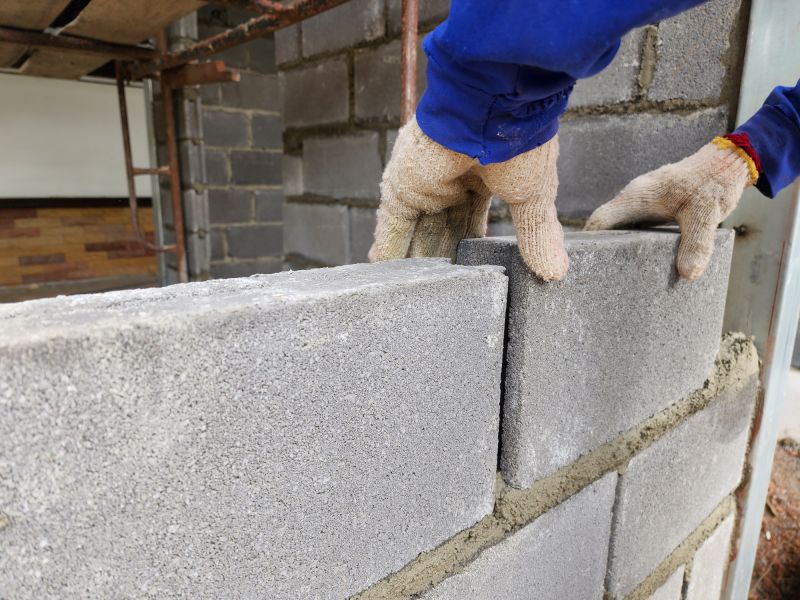
Masonry Wall Installation in Boston, MA
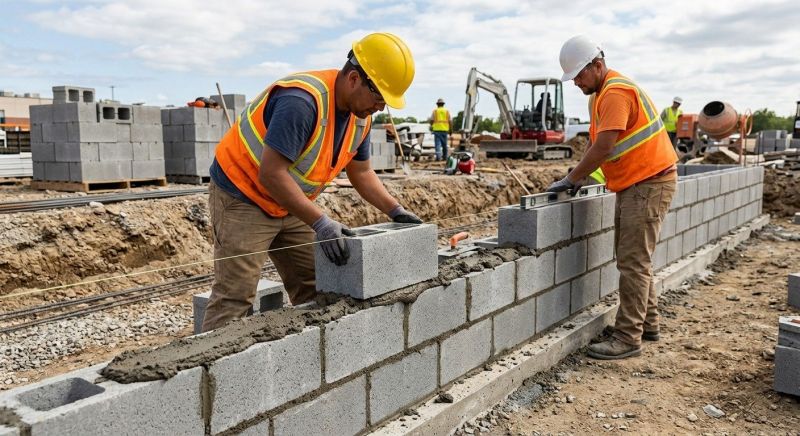
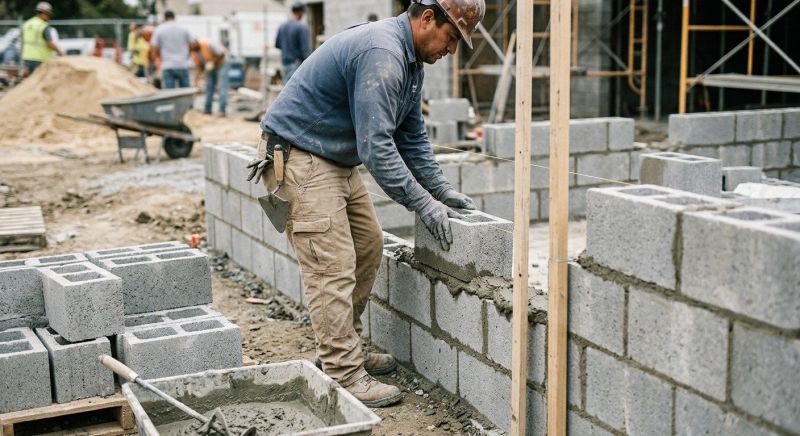
Masonry wall installation services involve constructing durable and aesthetically pleasing walls using materials such as brick, stone, or concrete blocks. These walls can serve various purposes, including defining property boundaries, creating privacy screens, supporting landscaping features, or providing structural support for patios and walkways. Homeowners interested in masonry walls should consider factors like the intended use, material options, and the overall design to ensure the finished project complements their property’s style and meets their functional needs.
Property owners typically want to understand the scope of work involved, including preparation, material selection, and the installation process. It’s important to inquire about the longevity and maintenance requirements of different materials, as well as any local building codes or permits that may apply. Clear communication about project expectations can help ensure the masonry wall installation aligns with the property’s aesthetic and structural goals.
Many property owners in Boston, MA look into Masonry Wall Installation for repairs, replacements, upgrades, and appearance-related improvements.
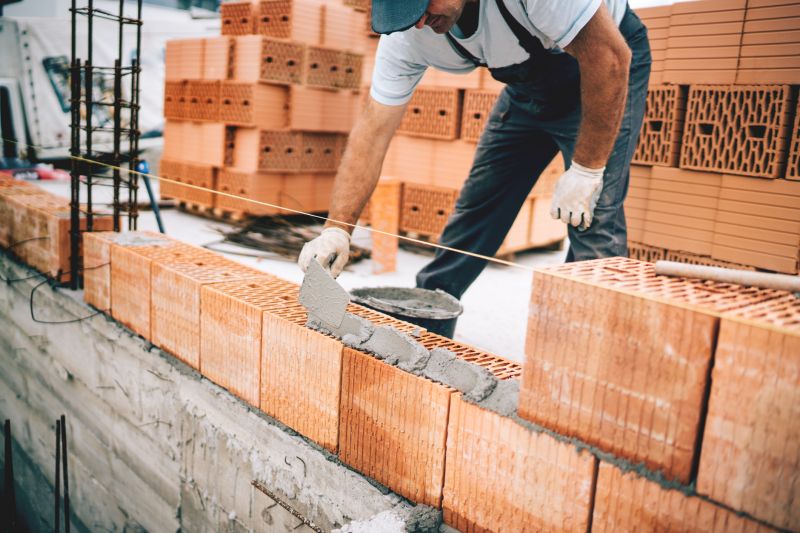
Types Of Masonry Walls
Different materials and styles are available to suit various property needs in boston.
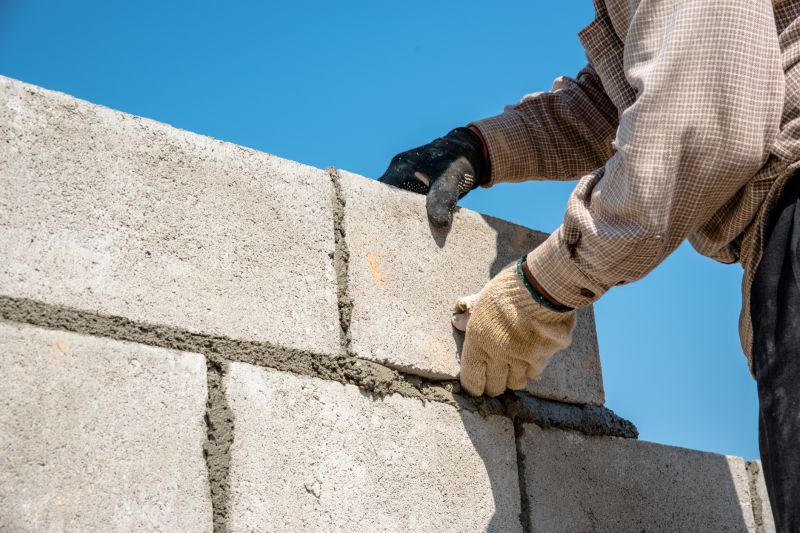
Benefits Of Masonry Wall Installation
A well-constructed masonry wall can enhance privacy, security, and property value.
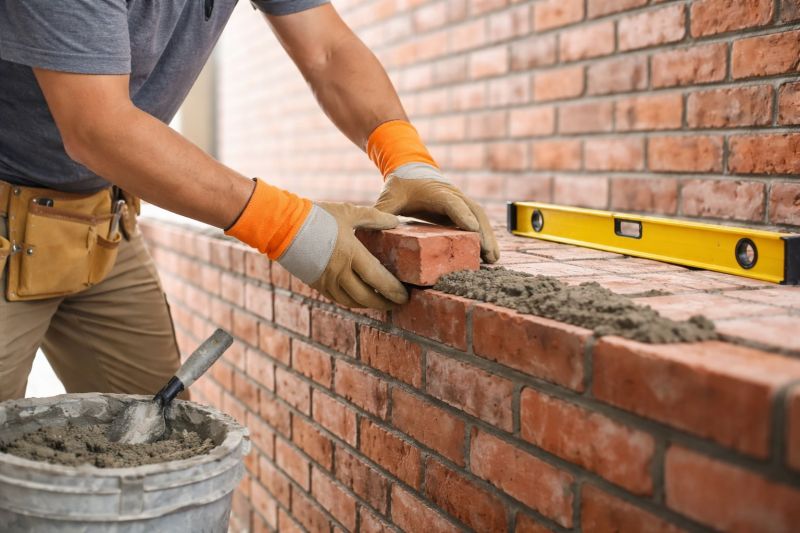
Common Projects And Uses
Masonry walls are often used for garden boundaries, retaining walls, and decorative features in boston homes.
Masonry Wall Installation in Boston, MA

Masonry wall installation services involve constructing durable and aesthetically pleasing walls using materials such as brick, stone, or concrete blocks. These walls can serve various purposes, including defining property boundaries, creating privacy screens, supporting landscaping features, or providing structural support for patios and walkways. Homeowners interested in masonry walls should consider factors like the intended use, material options, and the overall design to ensure the finished project complements their property’s style and meets their functional needs.
Property owners typically want to understand the scope of work involved, including preparation, material selection, and the installation process. It’s important to inquire about the longevity and maintenance requirements of different materials, as well as any local building codes or permits that may apply. Clear communication about project expectations can help ensure the masonry wall installation aligns with the property’s aesthetic and structural goals.
Many property owners in Boston, MA look into Masonry Wall Installation for repairs, replacements, upgrades, and appearance-related improvements.
Common Masonry Wall Installation Jobs
Retaining walls - provide support and prevent soil erosion around properties.
Garden walls - define planting areas and enhance landscape aesthetics.
Boundary walls - mark property lines and increase privacy.
Fireplace and chimney masonry - ensure safety and durability for outdoor and indoor fireplaces.
Patio and courtyard walls - create functional outdoor living spaces.
Structural masonry - reinforce foundations and support building stability.
Masonry Wall Installation Questions
What types of masonry walls are commonly installed? Common options include retaining walls, garden walls, and boundary walls, each suited for different property needs.
What materials are used for masonry wall installation? Typical materials include brick, stone, concrete blocks, and veneer, chosen based on durability and aesthetic preferences.
Are masonry walls suitable for different property types? Yes, masonry walls can be installed on residential and commercial properties for various purposes.
What should property owners consider before installation? It's important to assess the wall's purpose, location, and the foundation requirements to ensure proper installation.
Request Masonry Wall Installation in Boston, MA
Use the quote form on this page to share the basics of your project and request more information for the type of work you need.